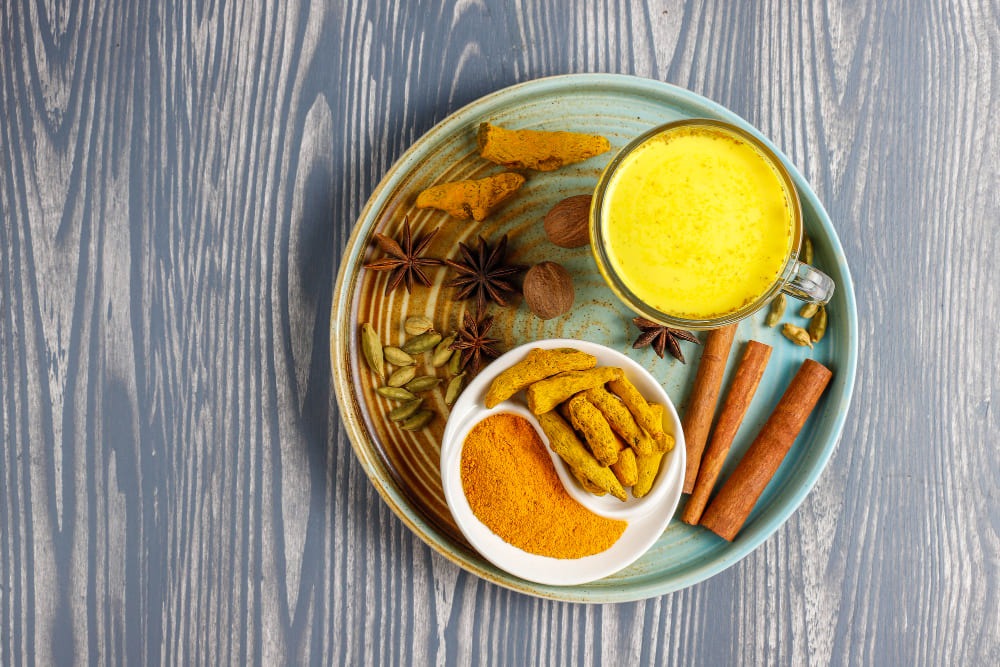
Functional Foods: 10 to Add to Your Diet This Week
Food is not just fuel. Every meal sends signals to your body — either promoting inflammation or supporting healing, repair, and energy production. Modern nutrition science now confirms something Indian kitchens have known for generations: certain foods do far more than simply provide calories.
These are called functional foods — foods containing bioactive compounds that support gut health, hormone balance, immunity, brain function, metabolism, and healthy ageing.
Long before the term became popular, Indian households were already using functional foods daily:
– Haldi doodh for inflammation
– Tulsi chai for immunity
– Amla for vitality
– Fermented foods for digestion
– Ghee for gut and brain health
At Dr Deepika Krishna’s clinic, food is viewed as one of the most powerful foundations of preventive and therapeutic healthcare.
What we discuss:
This guide shares a practical functional foods list India readers can actually use — no imported powders or expensive “superfoods,” just evidence-backed foods available at your local grocery store or sabzi mandi.
What Exactly Are Functional Foods?
Functional Food = Nutrition + Bioactive Health Benefits
Functional foods are foods that provide health benefits beyond basic nutrition.
They contain biologically active compounds that can:
- Reduce inflammation
- Support gut bacteria
- Improve insulin sensitivity
- Protect cells from oxidative stress
- Support hormone balance
- Improve metabolic health
Unlike the word “superfood,” which is mostly a marketing term, functional foods are grounded in nutritional science and clinical research.
Common Categories of Functional Foods
| Type | Examples | Main Benefit |
| Probiotic foods | Curd, kanji, kefir | Gut microbiome support |
| Prebiotic foods | Fibre-rich vegetables, flaxseeds | Feed healthy gut bacteria |
| Anti-inflammatory foods | Turmeric, ginger | Reduce inflammation |
| Adaptogenic foods | Tulsi, ashwagandha | Stress regulation |
| Nutrient-dense foods | Moringa, amla | Correct deficiencies |
As Dr Deepika Krishna explains:
“I recommend functional foods because they work through real biological mechanisms — not trends. Food can directly influence inflammation, hormones, metabolism, and gut health.”
The 10 Best Functional Foods to Add to Your Diet
Functional Foods Reference Table
| Food | Key Nutrients | Primary Benefit | Easy Way to Use |
| Turmeric | Curcumin | Anti-inflammatory support | Golden milk, curries |
| Moringa | Iron, protein, antioxidants | Energy and blood sugar support | Smoothies, dal |
| Amla | Vitamin C, tannins | Immunity and skin health | Juice, raw fruit |
| Fermented Foods | Probiotics | Gut microbiome support | Curd, kanji |
| Ghee | Butyrate, fat-soluble vitamins | Gut and hormone health | Cooking, dal |
| Flaxseeds | Omega-3, lignans | Hormone balance | Add to roti atta |
| Ashwagandha | Withanolides | Stress and sleep support | Supplement or churna |
| Walnuts | Omega-3, polyphenols | Brain and heart health | Snack or salad |
| Tulsi | Eugenol, antioxidants | Cortisol and immunity support | Tulsi tea |
| Pomegranate | Polyphenols | Gut and cardiovascular health | Seeds, salads |
1. Turmeric — India’s Most Powerful Anti-Inflammatory Food
Curcumin → Reduced Inflammation
Turmeric contains curcumin, one of the most researched anti-inflammatory compounds in nutrition science.
Functional Foods: Benefits of Turmeric
- Helps reduce inflammatory markers
- Supports gut lining repair
- May help with joint pain and hormonal inflammation
- Supports brain and immune health
How to Use Turmeric
- Haldi doodh with black pepper
- Add to curries and dal
- Turmeric rice
- Golden milk before sleep
Black pepper improves curcumin absorption significantly.
2. Moringa — India’s Most Underrated Nutrient-Dense Food
Moringa is rich in iron, antioxidants, protein, calcium, and vitamin C.
Why Moringa Is a Functional Food
- Supports blood sugar balance
- Helps energy and iron levels
- Provides plant-based protein
- Supports liver health
Easy Ways to Add Moringa
- Add powder to smoothies
- Stir into dal
- Use drumsticks in sambhar
- Drink moringa tea
Moringa is especially valuable for vegetarian diets.
3. Amla — The Traditional Immunity Powerhouse
Amla contains exceptionally high levels of vitamin C and antioxidants.
Key Benefits
- Supports immunity
- Improves collagen production
- Supports liver detoxification
- Helps hair and skin health
How to Use Amla
| Form | Usage |
| Raw amla | 1 daily |
| Amla juice | Morning diluted shot |
| Amla powder | Warm water |
| Murabba | Traditional option |
Amla remains one of the most accessible anti-inflammatory foods in India.
4. Fermented Foods — The Best Functional Foods for Gut Health
Fermented Foods → Better Gut Microbiome Diversity
Fermented foods naturally contain beneficial bacteria that support the gut microbiome.
Benefits of Fermented Foods
- Improve digestion
- Increase microbiome diversity
- Support immunity
- Help gut lining integrity
- Improve mood through the gut-brain axis
Best Indian Fermented Foods
- Homemade curd
- Kanji
- Idli
- Dosa
- Lassi
- Dhokla
Daily fermented foods are one of the most evidence-backed ways to improve gut health naturally.
5. Ghee — Functional Fuel for the Gut and Hormones
Ghee contains butyrate, a short-chain fatty acid that supports gut lining cells.
Functional Foods Benefits of Ghee
- Supports gut barrier health
- Helps hormone production
- Supports brain function
- Improves absorption of fat-soluble vitamins
Best Ways to Use Ghee
- Dal tadka
- Cooking vegetables
- On rotis
- Mixed into rice
Quality matters — traditionally churned desi ghee is preferred.
6. Flaxseeds — One of the Best Functional Foods for Hormones
Flaxseed is one of the richest sources of lignans and plant omega-3 fats.
Why Flaxseeds Matter
- Support estrogen balance
- Help PCOS management
- Improve digestion
- Support heart health
How to Use Flaxseeds
- Grind before use
- Add to smoothies
- Mix into roti atta
- Sprinkle over curd or raita
Ground flaxseeds are significantly better absorbed than whole seeds.
7. Ashwagandha — India’s Most Evidence-Backed Adaptogen
Ashwagandha is widely researched for stress and cortisol regulation.
Benefits of Ashwagandha
- Helps lower cortisol
- Supports sleep quality
- May support thyroid health
- Improves stress resilience
Best Way to Take It
- Standardised KSM-66 extract
- Evening supplementation
- Warm milk before bed
Ashwagandha is especially useful for stress-related fatigue and burnout.
8. Walnuts — Functional Brain Food
Walnut contains omega-3 fats, polyphenols, and antioxidants beneficial for brain and cardiovascular health.
Key Benefits
- Supports cognition
- Reduces inflammation
- Supports gut bacteria
- Improves heart health
Daily Intake
- 4–5 soaked walnuts daily
- Add to salads or curd
- Mid-morning snack option
Walnuts are among the best plant-based omega-3 sources available.
9. Tulsi — The Traditional Stress-Relief Functional Food
Tulsi has powerful adaptogenic and anti-inflammatory compounds.
Benefits of Tulsi
- Supports stress regulation
- Helps blood sugar balance
- Supports immunity
- Has antimicrobial properties
Easy Ways to Use Tulsi
- Tulsi tea
- Add to chai
- Fresh leaves in hot water
Tulsi remains one of the most accessible functional foods in Indian households.
10. Pomegranate — A Powerful Functional Food for Longevity
Pomegranate contains punicalagins and powerful antioxidants linked with gut, heart, and longevity benefits.
Why Pomegranate Stands Out
- Supports gut bacteria diversity
- Helps estrogen metabolism
- Reduces oxidative stress
- Supports cardiovascular health
Best Ways to Eat It
| Option | Recommendation |
| Whole seeds | Best option |
| Salad topping | Excellent |
| Raita | Easy addition |
| Juice | Fresh and unsweetened only |
Whole fruit is preferable to packaged juice for fibre and polyphenol preservation.
Which Functional Food Is Best for Your Health Goal?
| Health Concern | Best Functional Foods |
| Gut health | Fermented foods, ghee |
| Hormone balance | Flaxseeds, pomegranate |
| Stress and cortisol | Ashwagandha, tulsi |
| Inflammation | Turmeric |
| Immunity | Amla |
| Brain health | Walnuts |
| Blood sugar support | Moringa, tulsi |
Different functional foods work through different mechanisms, which is why variety matters more than obsessing over a single “miracle food.”
Your 7-Day Functional Food Starter Plan
Day-by-Day Plan
| Day | Add This | Benefit |
| Monday | Turmeric golden milk | Reduces inflammation |
| Tuesday | 4 soaked walnuts | Brain and heart support |
| Wednesday | 1 tsp moringa | Nutrient support |
| Thursday | 1 tbsp flaxseed | Hormone balance |
| Friday | Homemade curd or kanji | Gut microbiome support |
| Saturday | Fresh amla | Immunity and skin support |
| Sunday | Tulsi tea twice daily | Stress and immunity support |
The goal is consistency, not perfection. Start slowly and allow these habits to become sustainable.
Why Functional Foods Work Better as a Pattern, Not a Pill
Functional foods work through long-term biological signalling.
Why Consistency Matters
- Nutrients work synergistically
- Gut health affects absorption
- Daily exposure matters more than occasional “detoxes”
- Food cannot compensate for poor sleep and chronic stress
For example:
- Turmeric absorbs better with black pepper and healthy fats
- Flaxseeds support hormones partly through gut metabolism
- Fermented foods work best with fibre-rich diets
Healing is rarely about one magical ingredient. It is about creating a consistent anti-inflammatory lifestyle pattern.
Frequently Asked Questions
What are examples of functional foods?
Examples include turmeric, flaxseeds, fermented foods, moringa, amla, walnuts, tulsi, ghee, and pomegranate.
Are functional foods the same as superfoods?
No. “Superfood” is a marketing term, while “functional food” is based on scientifically studied health benefits.
What is the most powerful functional food?
There is no single best option. Turmeric is highly researched for inflammation, while fermented foods are extremely valuable for gut health.
What functional foods should I eat daily?
A practical daily routine may include turmeric, flaxseeds, fermented foods, walnuts, tulsi tea, and healthy fats like ghee.
Can functional foods replace supplements?
Sometimes, but not always. Severe nutrient deficiencies may still require targeted supplementation.
Final Thoughts
The Indian kitchen already contains many of the world’s most powerful functional foods. The challenge today is not access — it is consistency.
Adding a few evidence-backed foods daily can gradually improve:
- Gut health
- Hormonal balance
- Energy levels
- Immunity
- Inflammation
- Brain function
Food is one of the few forms of medicine we interact with multiple times every single day. Small choices repeated consistently create powerful long-term health outcomes.
Continue your health journey.
Subscribe to receive evidence-based guidance, mindful practices, and thoughtful resources from our clinic team.
Schedule a 60-minute Session With Dr. Deepika Krishna
Whether you are struggling with stubborn weight, chronic fatigue, hormonal imbalances, or digestive issues, your symptoms are your body’s way of asking for help. True healing requires looking beneath the surface. Book a one-on-one consultation with Dr. Deepika Krishna for a comprehensive, personalized assessment to restore your metabolic and hormonal health from the inside out.