Hair Loss in Women: Hormonal Causes and Natural Solutions
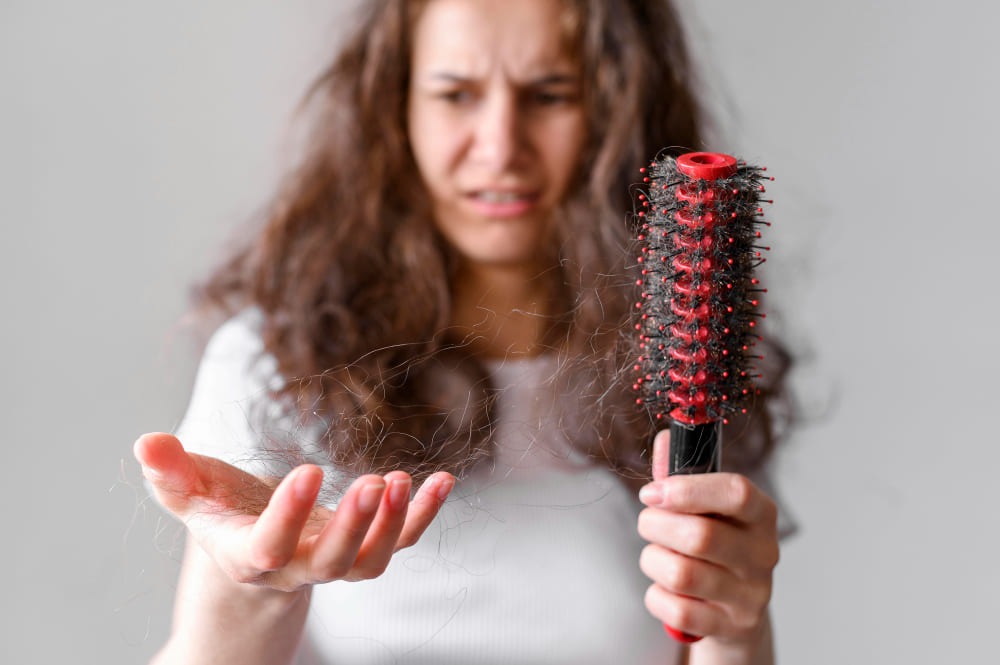
Hair loss in women is often dismissed as “stress,” “age,” or simply bad genetics. But for many women, hair thinning is one of the earliest signs that something deeper is happening inside the body. Hormones, nutrient deficiencies, chronic inflammation, gut health, stress, thyroid dysfunction, insulin resistance, and sleep problems can all affect the hair growth cycle. Female Pattern Hair Loss
At Dr Deepika Krishna’s clinic, hair loss is approached as a full-body health signal rather than only a cosmetic issue. Women often seek help after noticing widening hair partitions, excessive shedding during washing, reduced hair density, or thinning around the temples and crown.
The important thing to understand is this: hair is not an essential organ for survival. When the body is stressed, inflamed, nutrient-depleted, or hormonally imbalanced, it redirects energy away from hair growth first.
What we discuss:
If you are searching for hair loss women hormones, this guide explains:
1. The hormonal causes of female hair loss
2. How stress and cortisol affect hair growth
3. The role of thyroid, PCOS, insulin resistance, and nutrient deficiencies
4. Natural solutions for hormonal hair loss
5. Best foods and supplements for healthier hair
What Causes Hormonal Hair Loss in Women?
Hormonal Imbalance → Hair Follicle Disruption → Hair Thinning
Hair growth depends heavily on hormonal balance.
Every hair follicle goes through three major phases:
| Hair Cycle Phase | What Happens |
| Anagen | Active growth phase |
| Catagen | Transition phase |
| Telogen | Resting/shedding phase |
Hormonal imbalance can push more hair follicles into the shedding phase prematurely, leading to noticeable thinning and excessive hair fall.
Unlike sudden patchy hair loss, hormonal hair loss is usually gradual and diffuse.
Signs Your Hair Loss May Be Hormonal
Common Symptoms of Hormonal Hair Loss
- Hair thinning near the crown
- Widening the hair partition
- Increased shedding while combing or washing
- Hair is becoming thinner in texture
- Slow hair regrowth
- Acne or oily skin
- Irregular periods
- Facial hair growth
- Weight gain or fatigue
- Hair thinning after childbirth
- Hair loss during perimenopause
Women often notice other hormonal symptoms alongside hair changes.
1. PCOS and Androgen-Related Hair Loss
Polycystic Ovary Syndrome is one of the most common hormonal causes of hair thinning in women. In PCOS, elevated androgen hormones like testosterone and DHT can shrink hair follicles over time.
Common Signs of PCOS-Related Hair Loss
- Hair thinning near the front scalp
- Acne
- Facial hair growth
- Irregular periods
- Insulin resistance
- Weight gain
Why It Happens
Insulin Resistance → Increased Androgens → Hair Thinning
High insulin levels stimulate excess androgen production, which affects the scalp and hair follicles. This is why addressing blood sugar regulation is often critical for improving PCOS-related hair loss.
2. Thyroid Dysfunction and Hair Thinning
Hypothyroidism commonly affects hair density and texture. The thyroid regulates metabolism, energy production, and hair follicle cycling.
Symptoms of Thyroid-Related Hair Loss
- Diffuse hair thinning
- Dry, brittle hair
- Fatigue
- Cold intolerance
- Weight gain
- Constipation
- Brain fog
Even “borderline” thyroid dysfunction can affect hair health significantly.
3. Chronic Stress and Cortisol
Chronic Stress → High Cortisol → Increased Hair Shedding
Stress is one of the most underestimated causes of female hair loss.
High cortisol levels can:
- Push hair follicles into shedding phase
- Increase inflammation
- Worsen PCOS symptoms
- Reduce nutrient absorption
- Disrupt sleep and hormones
This type of hair loss is called telogen effluvium and often appears 2–3 months after major stress, illness, burnout, dieting, or emotional trauma.
4. Iron and Nutrient Deficiencies
Hair growth requires significant nutritional support.
Nutrients Commonly Linked to Hair Loss
| Nutrient | Why It Matters |
| Iron | Oxygen delivery to follicles |
| Vitamin B12 | Energy production |
| Vitamin D | Hair follicle signalling |
| Zinc | Tissue repair |
| Protein | Hair structure |
| Omega-3 fats | Inflammation control |
Women with heavy periods, vegetarian diets, gut issues, or chronic stress are especially vulnerable to deficiencies.
5. Insulin Resistance and Metabolic Stress
Insulin resistance affects more than blood sugar.
It can contribute to:
- Hormonal imbalance
- Inflammation
- PCOS symptoms
- Poor circulation
- Increased androgens
This creates an internal environment that weakens healthy hair growth.
6. Perimenopause and Estrogen Decline
During perimenopause, estrogen levels begin fluctuating and declining.
Estrogen normally helps maintain thicker, healthier hair. As estrogen drops:
- Hair becomes thinner
- Shedding increases
- Dryness worsens
- Hair texture changes
Stress and poor sleep often amplify these changes further.
Natural Solutions for Hormonal Hair Loss
Hair recovery takes time because hair growth cycles are slow. Sustainable improvement usually requires addressing the root cause rather than relying only on shampoos or topical treatments.
1. Stabilise Blood Sugar
Balanced blood sugar supports hormonal stability and reduces androgen excess.
Helpful Nutrition Strategies
- Eat protein-rich meals
- Reduce ultra-processed foods
- Avoid excessive sugar
- Include healthy fats
- Avoid crash dieting
Restrictive dieting is a major trigger for female hair loss.
2. Improve Sleep and Stress Regulation
Hair follicles are extremely sensitive to nervous system stress.
Stress-Reducing Habits That Help Hair Growth
- Morning sunlight
- Gentle exercise
- Breathwork
- Better sleep routines
- Reducing overwork
- Meditation
Recovery from chronic stress often improves hair shedding gradually over several months.
3. Support Gut Health
Poor gut health can impair nutrient absorption and worsen inflammation.
Conditions linked with hair loss include:
- SIBO
- Leaky gut
- Chronic constipation
- IBS
- Dysbiosis
Healing digestion often improves hair, skin, and energy simultaneously.
4. Prioritise Protein Intake
Hair is primarily made of protein. Many women undereat protein, especially during dieting.
Good Protein Sources
| Vegetarian | Non-Vegetarian |
| Paneer | Eggs |
| Lentils | Fish |
| Greek yoghurt | Chicken |
| Tofu | Bone broth |
| Nuts and seeds | Lean meats |
Protein deficiency is a major but overlooked contributor to hair thinning.
Best Foods for Hormonal Hair Health
Foods That Support Hair Growth
| Food | Key Benefit |
| Pumpkin seeds | Zinc and magnesium |
| Flaxseeds | Hormone balance |
| Amla | Vitamin C and collagen support |
| Walnuts | Omega-3 fats |
| Eggs | Biotin and protein |
| Leafy greens | Iron and folate |
| Fatty fish | Anti-inflammatory fats |
| Fermented foods | Gut health support |
Consistency matters more than “miracle foods.”
Foods and Habits That Worsen Hair Loss
| Avoid or Reduce | Why |
| Crash dieting | Nutrient depletion |
| Excess sugar | Insulin spikes |
| Ultra-processed foods | Inflammation |
| Chronic sleep deprivation | Hormonal disruption |
| Smoking | Poor circulation |
| Excessive heat styling | Hair shaft damage |
Supplements to Consider for Hormonal Hair Loss
Supplements should always be personalised based on symptoms, lab testing, and underlying causes.
Commonly Used Supplements
| Supplement | Typical Range | Potential Benefit |
| Iron | Based on ferritin levels | Reduces deficiency-related shedding |
| Vitamin D3 | Based on labs | Follicle support |
| Biotin | 2,500–5,000 mcg | Hair structure support |
| Zinc | 15–30 mg | Tissue repair |
| Omega-3 | 1–2 g daily | Inflammation reduction |
| Collagen peptides | 10–15 g daily | Hair structure support |
| Ashwagandha | 300–600 mg | Stress regulation |
Supplementation works best when combined with proper nutrition, sleep, and hormonal support.
Dr DK’s Functional Medicine Approach to Hair Loss
At Dr Deepika Krishna’s clinic, hair loss is investigated through a root-cause lens.
Assessment may include:
- Hormonal evaluation
- Thyroid testing
- Ferritin and B12 levels
- Vitamin D status
- Cortisol patterns
- Gut health assessment
- Blood sugar and insulin resistance markers
This approach aims to improve the internal environment supporting healthy hair growth.
Frequently Asked Questions
Can hormones really cause hair loss in women?
Yes. Hormonal imbalance is one of the most common causes of female hair thinning and excessive shedding.
How do I know if my hair loss is hormonal?
Signs include diffuse thinning, irregular periods, acne, facial hair growth, fatigue, stress, or thyroid symptoms occurring alongside hair fall.
Can stress cause permanent hair loss?
Stress-related hair loss is often reversible when the nervous system and hormonal balance recover.
What deficiency causes the most hair loss in women?
Iron deficiency is one of the most common contributors, followed by low vitamin D, B12, zinc, and protein deficiency.
How long does it take to recover hair loss naturally?
Most women notice improvement in shedding within 2–4 months, while visible regrowth may take 6–12 months.
Is PCOS hair loss reversible?
In many cases, yes. Improving insulin resistance, androgen balance, stress, and inflammation can significantly improve hair health.
Final Thoughts
Hair loss is often the body’s early warning signal that something internally needs attention.
Hormones, stress, thyroid health, nutrition, sleep, gut function, and metabolism all influence hair growth far more than most people realise.
The encouraging part is that many cases of hormonal hair loss improve significantly once the root causes are identified and addressed consistently.
Healing takes patience, but the body is capable of recovery when supported properly.
References
- Almohanna HM et al. The role of vitamins and minerals in hair loss. Dermatology and Therapy
- Olsen EA. Female pattern hair loss. Journal of the American Academy of Dermatology
- Sinclair R. Hair shedding in women. International Journal of Dermatology
- Rushton DH et al. Nutritional factors and hair loss. Clinical and Experimental Dermatology
- Trueb RM. Stress and hair growth. Dermato-Endocrinology
Continue your health journey.
Subscribe to receive evidence-based guidance, mindful practices, and thoughtful resources from our clinic team.
Schedule a 60-minute Session With Dr. Deepika Krishna
Whether you are struggling with stubborn weight, chronic fatigue, hormonal imbalances, or digestive issues, your symptoms are your body’s way of asking for help. True healing requires looking beneath the surface. Book a one-on-one consultation with Dr. Deepika Krishna for a comprehensive, personalized assessment to restore your metabolic and hormonal health from the inside out.