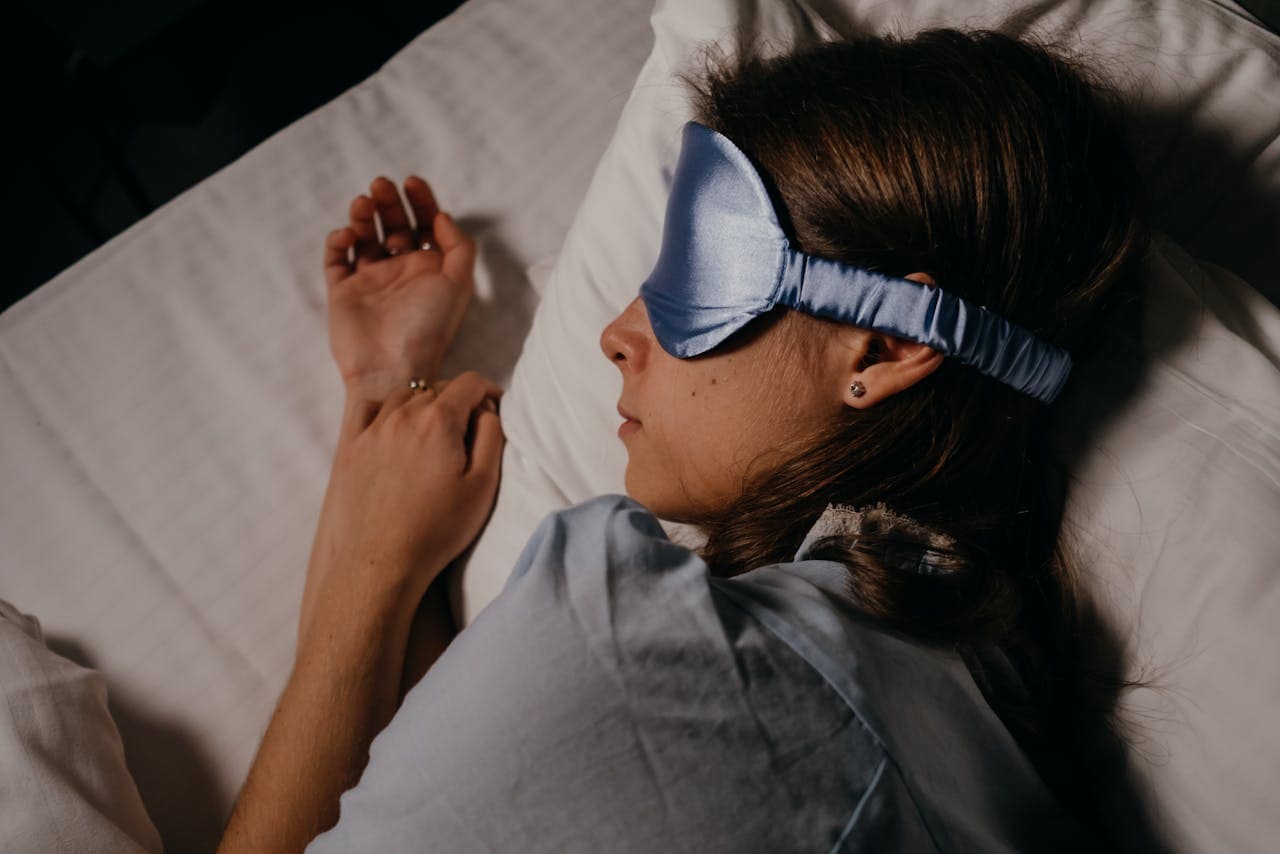
Sleep and Hormones: Why Poor Sleep Wrecks Your Cycle
Most people think sleep is simply “rest.” But biologically, sleep is one of the most powerful hormonal repair processes in the human body. During deep sleep, the brain recalibrates stress hormones, the ovaries communicate with reproductive hormones, insulin sensitivity improves, and the nervous system shifts into recovery mode. Circadian Rhythm
When sleep becomes disrupted — whether from stress, screens, late-night work, anxiety, shift work, or chronic exhaustion — the body begins losing hormonal rhythm. Periods become irregular. PMS worsens. Weight changes become more noticeable. Cravings increase. Fertility may decline. Mood becomes unstable. Fatigue becomes constant.
At Dr Deepika Krishna’s clinic, sleep issues are rarely treated as an isolated problem. Poor sleep is often one of the biggest hidden drivers behind sleep hormone imbalance, PCOS symptoms, cortisol dysregulation, burnout, thyroid dysfunction, and metabolic issues.
What we discuss:
This guide explains:
1. How sleep affects hormones
2. Why poor sleep disrupts menstrual cycles
3. The connection between cortisol, melatonin, insulin, and reproductive hormones
4. Common symptoms of sleep-related hormone imbalance
5. Science-backed ways to restore hormonal rhythm naturally
What Is a Sleep Hormone Imbalance?
Poor Sleep → Hormonal Dysregulation → Cycle Disruption
A sleep hormone imbalance occurs when disrupted sleep interferes with the body’s endocrine system — the network of hormones controlling metabolism, stress, fertility, appetite, mood, and energy.
Sleep is not passive downtime. It is an active hormonal reset process.
During healthy sleep:
- Cortisol decreases
- Melatonin rises
- Growth hormone repairs tissues
- Insulin sensitivity improves
- Reproductive hormones regulate ovulation
- The brain clears inflammatory waste products
But when sleep becomes irregular or insufficient, the body loses its hormonal timing system.
This especially affects women because reproductive hormones are highly sensitive to stress, circadian rhythm disruption, and nervous system overload.
How Poor Sleep Affects Hormones
1. Cortisol Becomes Dysregulated
Poor Sleep → High Cortisol → Hormonal Stress
Cortisol is designed to follow a natural rhythm:
| Time | Healthy Cortisol Pattern |
| Morning | Highest |
| Afternoon | Gradually declines |
| Night | Lowest |
Poor sleep disrupts this rhythm.
Instead of calming down at night, cortisol may remain elevated, causing:
- Anxiety
- Night waking
- Feeling “tired but wired”
- Belly fat accumulation
- PMS worsening
- Sugar cravings
Chronic cortisol elevation also suppresses progesterone production, which directly affects menstrual cycle regularity. Melatonin and cortisol work opposite each other, so high stress often means poor melatonin release as well.
2. Sleep Disrupts Reproductive Hormones
Sleep strongly affects:
- Estrogen
- Progesterone
- LH (luteinising hormone)
- FSH (follicle-stimulating hormone)
These hormones regulate ovulation and menstrual cycles.
Poor sleep can contribute to:
- Irregular periods
- PMS
- Ovulation issues
- Fertility challenges
- Worsening PCOS symptoms
Women working night shifts or sleeping inconsistently often experience significant cycle disruption because the ovaries depend heavily on circadian rhythm signals.
3. Insulin Resistance Increases
Sleep Deprivation → Insulin Resistance → Weight Gain
Even short-term sleep deprivation reduces insulin sensitivity.
This can lead to:
- Increased fat storage
- Sugar cravings
- PCOS worsening
- Energy crashes
- Difficulty losing weight
Sleep deprivation also increases ghrelin (hunger hormone) while reducing leptin (satiety hormone), making overeating more likely.
4. Thyroid Function Slows Down
Poor sleep affects thyroid hormone conversion and stress resilience.
Chronic sleep deprivation may contribute to:
- Fatigue
- Hair fall
- Cold intolerance
- Slower metabolism
- Brain fog
Many women experiencing “thyroid symptoms” actually have nervous system and sleep dysregulation underneath the surface.
Signs Your Hormones Are Being Affected by Poor Sleep
Common Symptoms of Sleep Hormone Imbalance
Hormonal Symptoms
- Irregular periods
- PMS
- Hormonal acne
- Low libido
- PCOS flare-ups
- Weight gain
Sleep Symptoms
- Waking between 2–4 AM
- Trouble falling asleep
- Light, non-restorative sleep
- Feeling exhausted after sleeping
Nervous System Symptoms
- Anxiety
- Brain fog
- Irritability
- Emotional sensitivity
- Feeling overwhelmed easily
Metabolic Symptoms
- Sugar cravings
- Afternoon crashes
- Belly fat accumulation
- Constant fatigue
These symptoms often occur together because sleep affects multiple hormonal systems simultaneously.
Why Modern Life Disrupts Sleep Hormones
Burnout and hormonal imbalance are deeply connected to modern lifestyle patterns.
1. Late-Night Screen Exposure
Blue light suppresses melatonin production.
Scrolling at night signals to the brain that it is still daytime, delaying sleep hormones.
2. Chronic Stress
Burnout and chronic stress keep the nervous system hyper-alert.
The body cannot fully enter deep recovery sleep while it perceives ongoing danger.
3. Excessive Caffeine
Coffee late in the day raises cortisol and delays melatonin release.
Many exhausted people unintentionally create a cycle of:
- Poor sleep
- More caffeine
- Higher cortisol
- Worse sleep
4. Blood Sugar Instability
Skipping meals or eating excessive sugar creates nighttime cortisol spikes that interrupt sleep.
Common signs include:
- Waking hungry
- Night sweating
- Restlessness
- Cravings at night
5. Shift Work and Irregular Schedules
The body depends on circadian rhythm consistency.
Frequent schedule changes confuse hormonal timing and significantly increase metabolic stress.
Dr Deepika Krishna’s Protocol for Restoring Hormonal Balance Through Sleep
Sleep recovery is one of the fastest ways to improve hormones naturally.
Phase 1: Rebuild Circadian Rhythm
Daily Priorities
| Habit | Why It Helps |
| Morning sunlight exposure | Resets cortisol rhythm |
| Consistent wake-up time | Stabilises circadian signals |
| Reduce screens at night | Supports melatonin |
| Dim lighting after sunset | Signals sleep readiness |
Even 15–20 minutes of morning sunlight can significantly improve sleep quality.
Phase 2: Stabilise Blood Sugar
Important Sleep Nutrition Habits
- Eat enough protein
- Avoid excessive sugar at night
- Do not skip meals
- Reduce alcohol
- Avoid caffeine after 2 PM
Balanced blood sugar helps reduce nighttime cortisol spikes.
Phase 3: Calm the Nervous System
Best Nervous System Practices Before Bed
- Breathwork
- Gentle stretching
- Reading
- Meditation
- Warm showers
- Journaling
The body sleeps best when it feels safe, not overstimulated.
What to Eat for Better Sleep and Hormonal Balance
Foods That Support Sleep Hormones
| Foods | Benefits |
| Magnesium-rich foods | Relax nervous system |
| Complex carbohydrates | Support serotonin |
| Omega-3 fats | Reduce inflammation |
| Protein-rich dinners | Stabilise blood sugar |
| Herbal teas | Calm stress response |
Helpful Foods
- Pumpkin seeds
- Almonds
- Walnuts
- Oats
- Kiwi
- Tart cherries
- Homemade curd
- Ghee
- Tulsi tea
Foods and Habits That Worsen Sleep Hormone Imbalance
| Avoid or Reduce | Why |
| Late-night caffeine | Raises cortisol |
| Excess alcohol | Disrupts deep sleep |
| Heavy processed meals | Blood sugar disruption |
| Excess sugar | Night waking |
| Doomscrolling | Delays melatonin |
Supplements to Consider for Sleep Hormone Imbalance
Supplements should be personalised and medically guided.
Commonly Used Options
| Supplement | Dosage Range | Potential Benefits |
| Magnesium Glycinate | 200–400 mg | Relaxation and sleep |
| L-Theanine | 100–200 mg | Anxiety reduction |
| Ashwagandha | 300–600 mg | Cortisol regulation |
| Melatonin | 0.3–3 mg | Circadian rhythm support |
| Omega-3 | 1–2 g daily | Hormonal inflammation support |
Frequently Asked Questions
Can poor sleep cause hormone imbalance?
Yes. Poor sleep directly affects cortisol, insulin, reproductive hormones, thyroid hormones, and appetite-regulating hormones.
Does sleep affect periods?
Absolutely. Sleep disruption can interfere with ovulation, progesterone production, and menstrual cycle regularity.
Why do I wake up at 3 AM every night?
This is commonly associated with cortisol dysregulation, blood sugar instability, stress, or nervous system hyperarousal.
Can sleep deprivation worsen PCOS?
Yes. Poor sleep increases insulin resistance and cortisol, both of which can worsen PCOS symptoms.
How long does it take to rebalance hormones through sleep?
Many people notice improvements within a few weeks of consistent sleep recovery habits, though deeper hormonal repair may take several months.
What is the best bedtime for hormonal health?
Most research supports sleeping between 10 PM and 11 PM to align with natural circadian hormone rhythms.
Final Thoughts
Sleep is not optional recovery time. It is one of the body’s most powerful hormonal repair systems.
When sleep becomes disrupted, the effects ripple through nearly every system in the body — including metabolism, reproductive hormones, stress resilience, immunity, mood, and energy levels.
The encouraging part is that improving sleep often creates rapid improvements in hormonal health, cravings, energy, mood, and cycle regularity. Small changes repeated consistently can completely shift how the body functions over time.
Continue your health journey.
Subscribe to receive evidence-based guidance, mindful practices, and thoughtful resources from our clinic team.
Schedule a 60-minute Session With Dr. Deepika Krishna
Whether you are struggling with stubborn weight, chronic fatigue, hormonal imbalances, or digestive issues, your symptoms are your body’s way of asking for help. True healing requires looking beneath the surface. Book a one-on-one consultation with Dr. Deepika Krishna for a comprehensive, personalized assessment to restore your metabolic and hormonal health from the inside out.